
4 Game Boy Games That Never Left Japan (Until Fans Stepped In)
For every Game Boy and Game Boy Advance game that made it to Europe and the US, there’s at least one more that Nintendo, Banpresto, or a handful of smaller publishers decided wasn’t worth localizing. Some were sequels to franchises nobody outside Japan had heard of. Some were tie-ins to anime that hadn’t been dubbed yet. A few were genuinely great RPGs that simply got unlucky with timing. For decades, the only way to play them was to learn Japanese or rely on rough machine translations.
That’s changed. A dedicated community of fan translators has spent years porting these games into English, and outfits like TheLostGames.net now turn those translation patches into actual physical cartridges you can put in a real Game Boy. Here are four Japan-only titles worth knowing about.
1. Fire Emblem: The Binding Blade (Game Boy Advance, 2002)
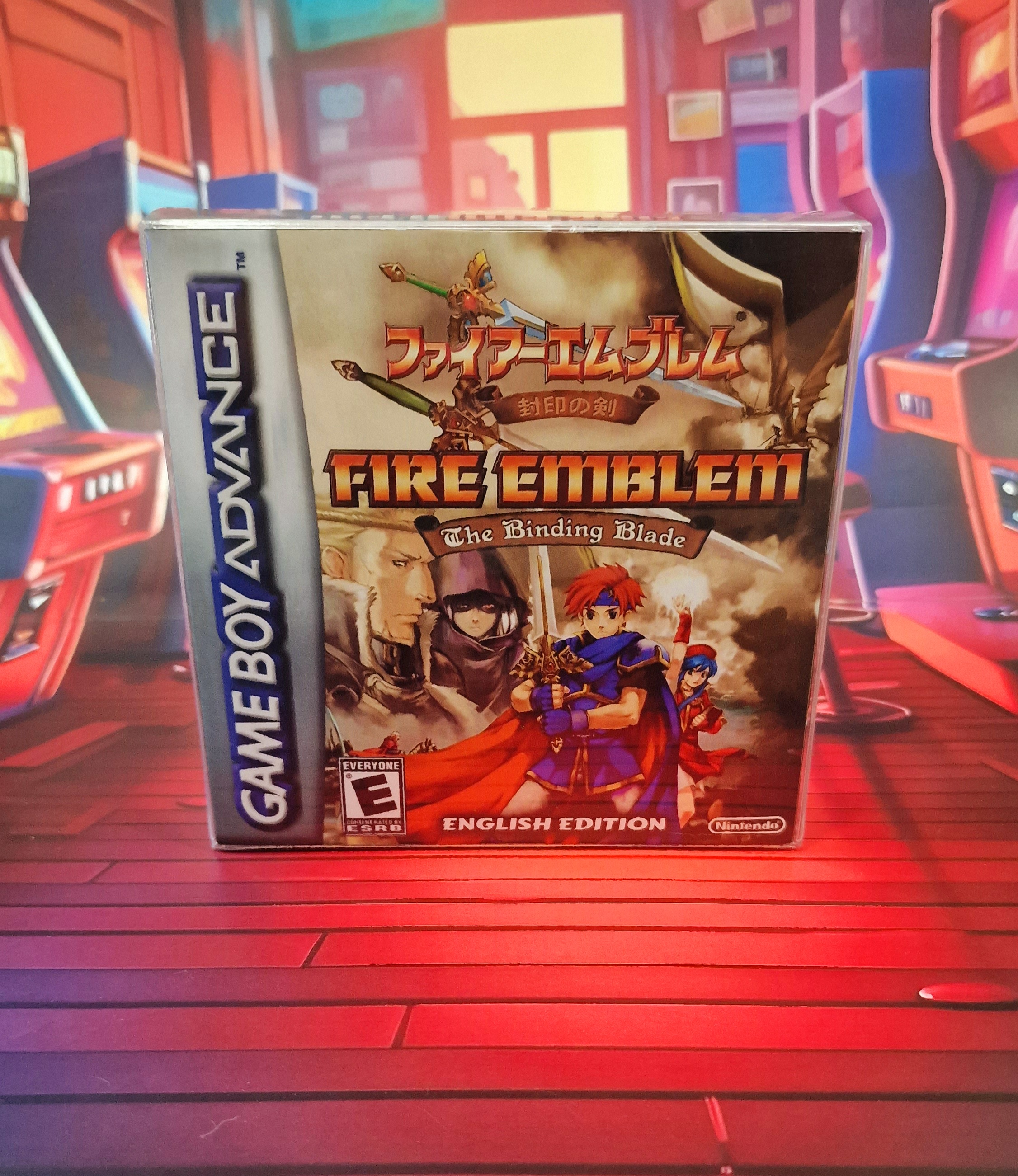
This one stings the most for Western fans. The Binding Blade is the sixth entry in the Fire Emblem series and the first ever released on a handheld — it’s also the game that introduced Roy, later playable in Super Smash Bros. Melee, which is how most people outside Japan first heard his name without ever being able to play his actual game. Nintendo localized the following entry (known in the West simply as «Fire Emblem» on GBA) but skipped this one entirely.
The fan translation is considered one of the most polished in the ROM hacking scene — full script, menus, and support conversations all in natural English. If you like tactical RPGs with permadeath and grid-based combat, this is essential, missing-chapter viewing for the series.
👉 See this cartridge on TheLostGames
2. Medarot: Kabuto Version (Game Boy, 1997)
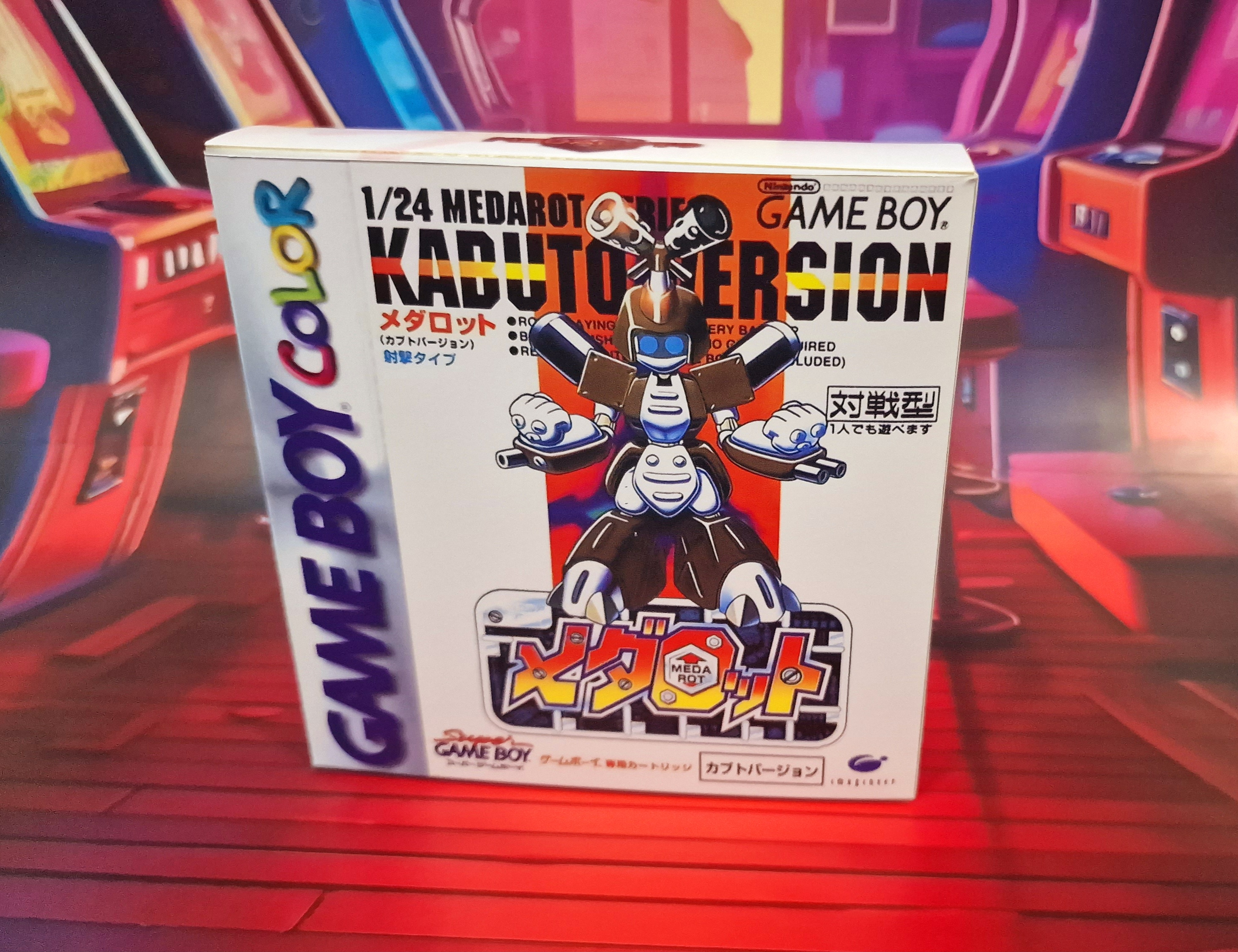
Before Medabots became a Saturday-morning cartoon in the early 2000s, it was Medarot, a Japan-only Game Boy RPG about building and battling robot companions. The Kabuto and Kuwagata versions (much like Pokémon Red and Blue) each locked certain robots behind version-exclusive content, encouraging trades between friends.
The English fan translation lets you finally play the game the cartoon was actually based on, following Hikaru Agata as he stumbles into a conspiracy involving a shady corporation, a secret alien Medal, and increasingly theatrical rival battles. It’s charming, a little goofy, and completely unavailable anywhere else in English.
👉 See this cartridge on TheLostGames
3. Detective Conan: The Mechanical Temple Murder Case (Game Boy Color, 2000)
The Detective Conan anime is a genuine global phenomenon, but almost none of its dozens of video game spin-offs ever left Japan. This Game Boy Color entry, developed by Alpha Unit and published by Banpresto, is a point-and-click investigation game in the style of the source material — you gather clues, interview suspects, and piece together a murder case involving a missing sister and an old temple.
If you’ve ever wanted to actually play as Conan instead of just watching him solve crimes, this is about as close as the Game Boy era ever got — and it was locked behind the language barrier for 25 years until fans stepped in.
👉 See this cartridge on TheLostGames
4. The Glory of Heracles: The Olympus Offensive (Game Boy, 1992)
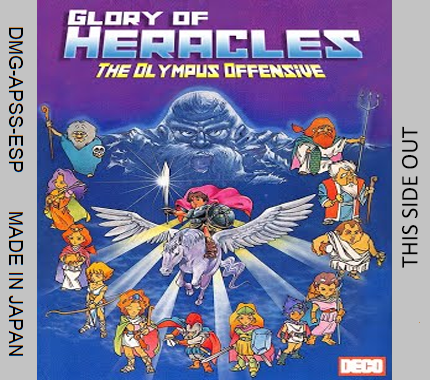
The oldest game on this list by a decade, Glory of Heracles: Ugokidashita Kamigami was a Data East-published spin-off of a Famicom RPG series steeped in Greek mythology — you fight alongside pegasi, gods, and mythological creatures across a surprisingly dense adventure for a launch-era Game Boy cartridge. It never got anywhere near a Western release.
The fan translation (distributed under the title «Snap Story») is a rare chance to play a piece of very early Game Boy RPG history that most collectors outside Japan have never even heard of, let alone owned.
👉 See this cartridge on TheLostGames
Why This Matters
None of these games are ROM hacks in the «remix an existing game» sense — they’re straight fan translations of games that, without this community effort, would be permanently locked behind a language most Western players don’t read. TheLostGames turns each translation into a full physical package: custom box, cartridge, printed insert and protective sleeve, built to resemble what an official Western release would have looked like if one had ever happened.
You can browse the rest of their Japan-exclusive and translated catalog, across Game Boy, Game Boy Color, Game Boy Advance and Sega Mega Drive, at thelostgames.net/en/catalog.